
Core Ingredients
Our ingredients are selected with precision and purpose to support our community. Every ingredient undergoes rigorous testing before and after formulation to ensure purity and safety, so your body receives clean, toxin‑free nourishment. Proudly made in the USA, we partner with trusted suppliers who meet the highest quality standards. This commitment ensures every product reflects nature’s finest ingredients and the integrity our community expects.


Anti Aging Ingredients

Collagen
- Supports skin elasticity, reduces wrinkles, and promotes a youthful appearance
- Strengthens joints, tendons, and ligaments for better mobility and reduced discomfort
- Helps improve hair thickness and nail strength
- Supports gut lining integrity and overall digestive health

Colostrum
- Supports immune function by providing antibodies and bioactive compounds
- Helps repair and strengthen the gut lining for better digestion
- Promotes muscle recovery and lean muscle development
- Supports overall vitality and cellular growth through growth factors
Anti Oxidant Blend
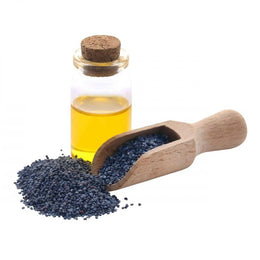
Black Seed Oil
- Supports immune system balance and overall wellness
- Helps reduce inflammation and oxidative stress in the body
- Promotes healthy skin and may help with skin conditions
- Supports respiratory health and normal breathing function
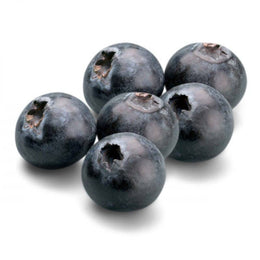
Blueberry / Resveratrol
- Provides powerful antioxidant support to help fight free radical damage
- Supports healthy aging and cellular protection
- Promotes heart health and healthy blood flow
- Supports brain function and cognitive health

Citric Acid
- Acts as a natural preservative to help maintain freshness and shelf life
- Enhances flavor by adding a clean, tart taste
- Supports energy production by playing a role in the body's Krebs cycle
- Helps with mineral absorption and overall nutrient utilization

Coconut
- Provides healthy fats that support sustained energy and brain function
- Supports metabolism and may aid in fat utilization
- Contains natural antimicrobial properties that support immune health
- Helps promote hydration and electrolyte balance
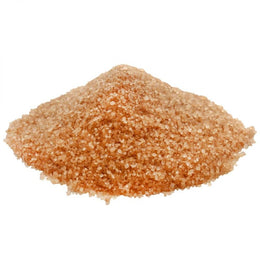
Evaporated Cane Juice / D-Ribose
- Provides a natural source of sweetness with minimal processing
- Contains trace minerals compared to refined sugar
- Helps improve taste and palatability of the product
- Offers quick energy as a readily available carbohydrate

Green Banana Flour
- Supports gut health as a rich source of resistant starch and prebiotic fiber
- Helps promote healthy digestion and regular bowel function
- Supports balanced blood sugar levels by slowing carbohydrate absorption
- Contributes to a feeling of fullness, which may help with appetite control
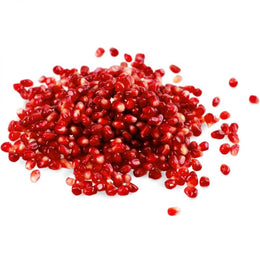
Pomegranate Seed
- Provides powerful antioxidants that help protect cells from oxidative stress
- Supports heart health and healthy circulation
- Promotes skin health and a more youthful appearance
- Supports anti-inflammatory responses and overall wellness

Raspberry
- Provides antioxidants that help protect against free radical damage
- Supports skin health and a healthy, vibrant appearance
- Promotes heart health and healthy circulation
- Contributes to overall wellness with vitamins and phytonutrients
Cognitive Brain Blend

Anhydrous Caffeine
- Provides a rapid boost in energy and alertness
- Supports improved focus, concentration, and mental clarity
- Enhances physical performance and endurance
- Helps reduce fatigue and increase overall productivity

L-Theanine
- Promotes a calm, relaxed state without causing drowsiness
- Supports improved focus and mental clarity, especially when paired with caffeine
- Helps reduce stress and supports a balanced mood
- May improve sleep quality by supporting relaxation

Pine Bark Extract
- Provides powerful antioxidant support to help protect cells from oxidative stress
- Supports healthy blood flow and circulation
- Promotes skin health and elasticity
- Helps reduce inflammation and supports overall cardiovascular health
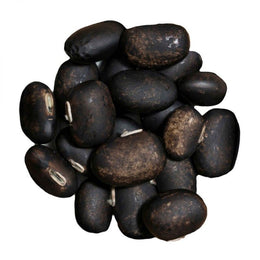
Velvet Bean Extract
- Supports mood and motivation by naturally increasing dopamine levels
- Promotes mental focus and cognitive function
- May help reduce stress and support emotional well-being
- Supports nervous system health and overall vitality
Omega / Fiber Blend

Apple Fiber
- Supports healthy digestion and regular bowel movements
- Promotes gut health by feeding beneficial bacteria
- Helps support balanced blood sugar levels
- Contributes to fullness, which may aid in appetite control
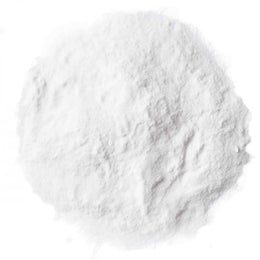
CMC Gum
- Acts as a stabilizer to improve texture and consistency
- Helps maintain even distribution of ingredients throughout the product
- Enhances mouthfeel for a smoother experience
- Supports shelf stability by preventing separation
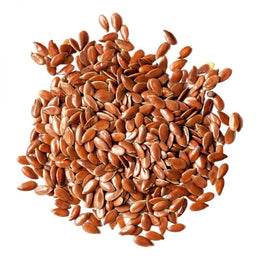
Flax Seed
- Rich in omega-3 fatty acids that support heart and brain health
- Supports digestive health with natural fiber content
- Helps reduce inflammation and supports overall wellness
- Provides plant-based nutrients that support hormonal balance

Psyllium Husk Powder
- Supports digestive health and regular bowel movements with soluble fiber
- Helps promote gut health by acting as a prebiotic
- Supports healthy cholesterol levels
- Contributes to fullness, which may aid in appetite control
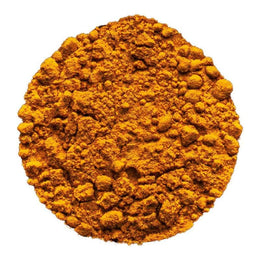
Turmeric
- Supports a healthy inflammatory response in the body
- Provides antioxidant benefits to help protect cells from damage
- Promotes joint comfort and mobility
- Supports overall wellness and immune function
Probiotic Blend

Aloe Vera / Aloe Vera Gel Powder
- Supports digestive health and helps soothe the gut lining
- Promotes hydration and overall skin health
- Supports a healthy inflammatory response
- Aids in gentle detoxification and overall wellness
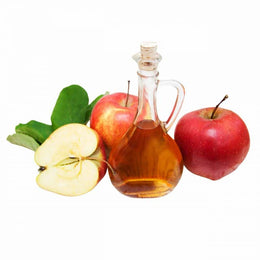
Apple Cider Vinegar
- Supports healthy digestion and helps maintain stomach acid balance
- May help regulate blood sugar levels after meals
- Supports metabolism and weight management efforts
- Provides antimicrobial properties that support overall wellness
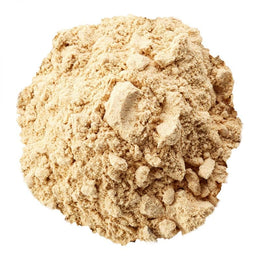
Bacillus Coagulans
- Supports gut health by promoting a balanced microbiome
- Helps improve digestion and nutrient absorption
- Supports immune system function through beneficial bacteria
- Aids in reducing occasional bloating and digestive discomfort

Citric Acid / Foodgard Citrus Extract
- Acts as a natural preservative to maintain freshness and extend shelf life
- Helps protect against microbial growth and spoilage
- Enhances flavor with a light, citrus profile
- Supports product stability and overall quality
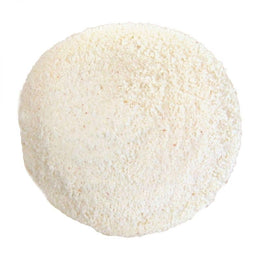
Inulin
- Supports gut health as a prebiotic fiber that feeds beneficial bacteria
- Helps improve digestion and regularity
- Supports balanced blood sugar levels
- Contributes to fullness, which may aid in appetite control
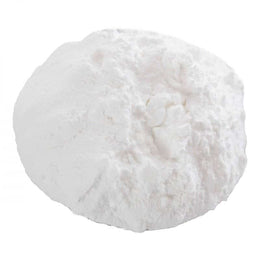
Lactobacillus Acidophilus
- Supports gut health by promoting a balanced microbiome
- Helps improve digestion and nutrient absorption
- Supports immune function through beneficial bacteria
- Aids in reducing occasional bloating and digestive discomfort
Super Green / Vegetable Blend

Alfalfa Leaf
- Provides essential vitamins and minerals to support overall wellness
- Supports natural detoxification and cleansing processes
- Promotes digestive health and nutrient absorption
- Contains antioxidants that help protect cells from oxidative stress
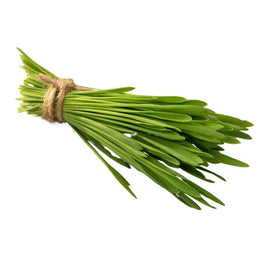
Barley Grass
- Rich in vitamins, minerals, and chlorophyll to support overall wellness
- Provides antioxidant support to help protect cells from oxidative stress
- Supports natural detoxification and cleansing processes
- Promotes healthy digestion and nutrient absorption
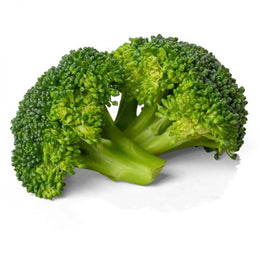
Broccoli
- Provides powerful antioxidants that help protect cells from oxidative stress
- Supports natural detoxification processes in the body
- Promotes heart health and overall wellness
- Contains fiber and nutrients that support healthy digestion
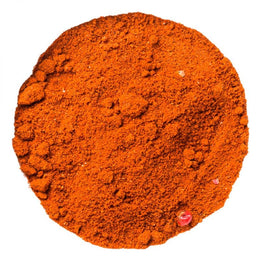
Cayenne Pepper
- Supports metabolism and may help boost calorie burning
- Promotes healthy circulation and blood flow
- Supports digestion by stimulating digestive enzymes
- Provides antioxidant compounds that support overall wellness
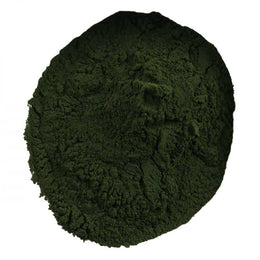
Chlorella
- Supports detoxification by helping bind and remove toxins from the body
- Provides chlorophyll and nutrients that support overall cellular health
- Supports immune function and overall wellness
- Helps promote healthy digestion and gut balance
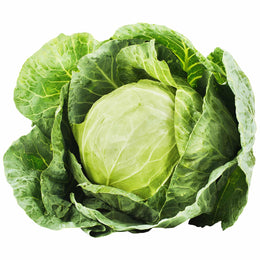
Green Cabbage
- Provides antioxidants that help protect cells from oxidative stress
- Supports digestive health with natural fiber content
- Promotes gut health and overall digestive balance
- Contains vitamins and nutrients that support overall wellness
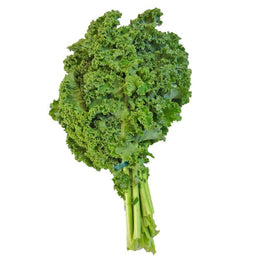
Kale
- Rich in vitamins and minerals that support overall health and vitality
- Provides powerful antioxidants to help protect cells from oxidative stress
- Supports heart health and healthy circulation
- Contains fiber that promotes healthy digestion
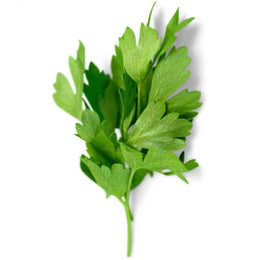
Parsley
- Provides antioxidants that help protect cells from oxidative stress
- Supports natural detoxification processes in the body
- Promotes fresh breath and overall oral health
- Contains vitamins and nutrients that support overall wellness
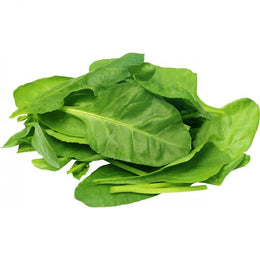
Spinach
- Rich in iron and essential nutrients that support energy and vitality
- Provides antioxidants that help protect cells from oxidative stress
- Supports eye health with natural carotenoids
- Promotes overall wellness and healthy immune function
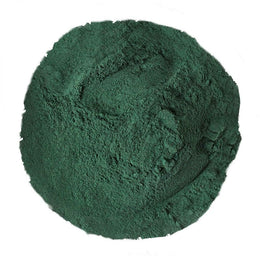
Spirulina
- Provides a rich source of plant-based protein and essential nutrients
- Supports energy levels and overall vitality
- Offers antioxidant support to help protect cells from oxidative stress
- Supports immune health and overall wellness
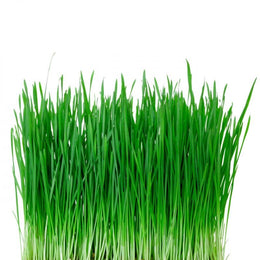
Wheat Grass
- Rich in chlorophyll, vitamins, and minerals to support overall wellness
- Supports natural detoxification and cleansing processes
- Provides antioxidant support to help protect cells from oxidative stress
- Promotes healthy digestion and nutrient absorption
Vitamins / Mineral Blend

Bioavailable Silica
- Supports healthy hair, skin, and nail strength and structure
- Promotes collagen formation for improved skin elasticity
- Supports bone health and connective tissue strength
- Helps maintain overall structural integrity in the body

Ominimin AC / Trace Mineral
- Provides essential trace minerals that support overall cellular function
- Supports hydration and electrolyte balance
- Helps optimize enzyme activity and metabolic processes
- Supports energy production and overall vitality

Vitamin C
- Provides antioxidant support to help protect cells from oxidative stress
- Supports immune system function and overall wellness
- Plays a key role in collagen production for skin, joints, and connective tissue
- Enhances absorption of iron and supports overall nutrient utilization
Vitamin D / D3
- Supports immune system function and helps defend against illness
- Promotes bone health by aiding calcium absorption
- Supports muscle function and overall strength
- Plays a role in mood regulation and overall well-being
Vitamin K2
- Supports proper calcium utilization by directing it to bones and away from arteries
- Promotes bone strength and density
- Supports cardiovascular health by helping prevent calcium buildup in blood vessels
- Works synergistically with vitamin D to support overall bone and heart health
Zinc
- Supports immune system function and helps defend against illness
- Plays a key role in wound healing and skin health
- Supports hormone balance and metabolic function
- Contributes to normal cognitive function and overall vitality
β-Nicotinamide Adenine (NAD+)
- Supports cellular energy production by fueling mitochondrial function
- Promotes healthy aging and cellular repair processes
- Supports brain function and cognitive performance
- Plays a key role in metabolism and overall cellular health